
Drug Distribution Cases: Evidence, Intent, and Common Defense Strategies
Drug distribution charges often depend on how prosecutors interpret the evidence, not just what police find during an investigation. A quantity of drugs, a series of text messages, or cash discovered during a search may be presented as evidence of an intent to sell, even when the circumstances are disputed.
If you are facing an accusation, understanding what the state must prove and how the evidence can be challenged can help you make informed decisions about your defense.
At Metro Law Firm in Richland, Washington, I represent those facing criminal accusations throughout the Tri-Cities area, including Kennewick and Pasco, as well as Benton-Franklin County, Yakima County, Walla Walla County, and Seattle.
As a trial lawyer with over two decades of experience, I will work with you to evaluate the evidence, examine how investigators gathered it, and identify issues that may affect the prosecution's case. If you are under investigation or have been charged, contact me to schedule a complimentary consultation and discuss your situation.
What Must Prosecutors Prove in a Drug Distribution Case?
Under Washington Revised Code § 69.50.401, it is generally unlawful to manufacture, deliver, or possess a controlled substance with the intent to manufacture or deliver it, unless the conduct is authorized by law. The specific charge and potential penalties depend on the substance involved and other circumstances.
Drug distribution does not necessarily require police to witness a completed sale. Prosecutors may allege that you intended to deliver drugs based on the surrounding circumstances, including how substances were packaged or what investigators found in your possession.
The distinction between possession and intent to distribute matters. Evidence that you possessed a substance does not automatically establish that you intended to sell or deliver it. The prosecution must prove the elements of the charged offense beyond a reasonable doubt, and the strength of its evidence depends on the facts of the case.
What Evidence Can Support a Distribution Charge?
Investigators may rely on several types of evidence to argue that a person intended to distribute controlled substances. Each item must be considered in context rather than treated as conclusive proof on its own. Common examples include:
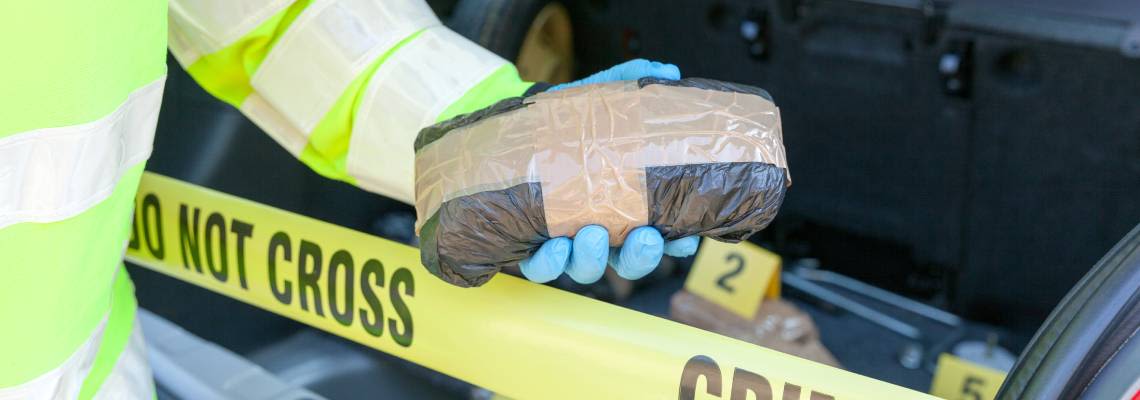
Drugs and packaging: The quantity, division into individual packages, and presence of packaging materials may support the prosecution's theory.
Cash and financial records: Cash, transaction records, or payment applications may be presented as evidence of alleged drug sales, although legitimate explanations may exist.
Messages and call records: Texts, social media communications, and call histories may be used to suggest arrangements for drug transactions.
Witness statements and surveillance: Investigators may rely on observations, alleged exchanges, recorded activity, or testimony from informants and other witnesses.
The meaning of this evidence depends on its reliability and the surrounding facts. For example, a message may appear suspicious when taken out of context but mean something different when the full conversation is available. As a Washington drug distribution lawyer, I can help examine whether the prosecution's interpretation is supported by the complete record and whether other explanations fit the evidence.
How Does Intent Affect Your Defense?
Intent is often a central issue because prosecutors must connect the alleged conduct to the specific offense charged. The presence of drugs, money, or communications may raise questions, but the evidence must still support the required legal elements.
Potential issues include whether you knew the substance was present, whether you knowingly possessed it, and whether the circumstances actually support an inference of intent to deliver.
In cases involving a shared vehicle, residence, or other space, for example, the defense may need to examine whether the evidence establishes your connection to the substances rather than merely your proximity to them.
My firm can also consider whether the prosecution has confused suspicious circumstances with proof of criminal intent. The appropriate defense depends on the charge, the evidence, and the facts established through investigation. No single fact automatically resolves every aspect of a distribution case.
Which Defense Strategies May Apply?
A defense should respond to the evidence and the prosecution's theory, not rely on a generic argument. Depending on the circumstances, my firm may evaluate several possible approaches:
Challenging a search or seizure: If officers searched a home, vehicle, or phone, I will examine whether they had lawful authority and whether the search stayed within its permitted scope. A constitutional violation may support a motion to suppress certain evidence, depending on the facts and applicable law.
Disputing possession or knowledge: The available evidence may not establish that you knew about the drugs or exercised control over them, particularly when several people shared access to a location.
Questioning the evidence: Laboratory results, digital records, witness accounts, and the handling of seized items may require closer scrutiny. Errors or inconsistencies can affect how much weight the evidence deserves.
Challenging the inference of intent: The circumstances may support an explanation other than distribution, depending on the evidence and the specific charge.
It's common to worry about how your statements or an early search could affect your case. I can review those circumstances alongside the available records to determine whether a legal challenge or another defense strategy may be appropriate. Not every challenge succeeds, and the court must assess the particular facts and applicable legal standards.
What Should You Do After an Arrest or Investigation?
Your decisions early in a drug distribution investigation can affect the information available to the prosecution. Avoid discussing the allegations publicly or trying to explain the situation to investigators before speaking with an attorney. Practical steps include:
Preserve relevant messages, receipts, location records, and other potentially useful information without altering or deleting anything.
Keep paperwork related to the arrest, search warrant, charges, or release conditions.
Avoid contacting potential witnesses to coordinate accounts or influence what they say.
Seek legal guidance to learn about the allegations, upcoming court dates, and any restrictions you must follow.
An accusation can create uncertainty about your employment, family responsibilities, and what will happen next. However, understanding the charge and the evidence can help you make informed decisions without assuming the accusation proves guilt.
Discuss Your Defense With a Washington Drug Crime Attorney
Drug distribution cases depend on the specific charge, the evidence supporting intent, and whether investigators followed the law. Identifying weaknesses in the prosecution's case may involve reviewing search procedures, witness credibility, digital evidence, and alternative explanations for the alleged conduct.
At Metro Law Firm, I draw on more than two decades as a trial lawyer to assess criminal allegations and develop a fact-based defense strategy. From my office in Richland, Washington, I represent clients in the Tri-Cities area, Benton-Franklin County, Yakima County, Walla Walla County, and Seattle.
Contact me, Attorney Gary Metro, today to schedule a complimentary consultation, discuss your case, and learn what options may be available.